Alton Estate flat removals Roehampton guide
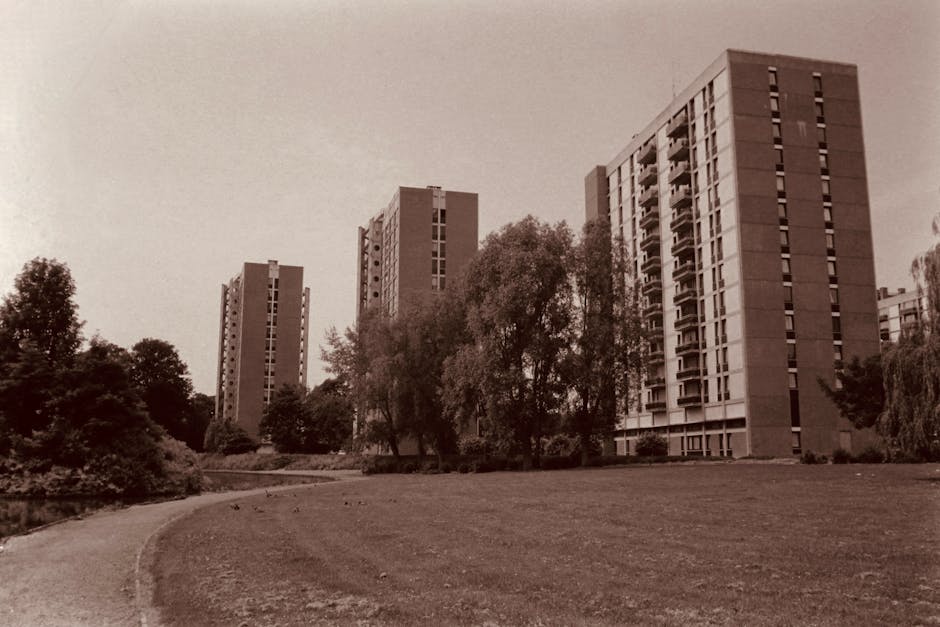
Moving out of a flat on the Alton Estate can feel straightforward on paper and oddly complicated in real life. One minute you are boxing up books, the next you are wondering how a sofa is meant to fit through a narrow hallway, where the van can stop, and whether the lift will actually be available. This Alton Estate flat removals Roehampton guide is here to make the whole thing feel less chaotic and a lot more manageable.
Whether you are moving across Roehampton, heading somewhere else in London, or simply trying to get organised before move day, the key is preparation. Flats on large estates often have shared access points, parking quirks, and neighbours who are not thrilled by a stairwell full of traffic at 7 a.m. Fair enough. In this guide, we will walk through how the process works, what to watch for, how to plan around access and timing, and which removal options make sense depending on the size of your move.
Need a quick overview? Start with the section that matches your situation, then work through the practical bits. A calm move is usually a planned move. Not glamorous, but true.
Why Alton Estate flat removals Roehampton guide Matters
Flat removals on the Alton Estate are not quite the same as a standard house move. The estate's layout, shared spaces, and apartment-style access can add a few layers of complexity. Even if you are only moving a one-bedroom flat, there can still be steps, long corridors, parking limitations, or awkward turning points that change how the move needs to be handled.
That matters because removals are won or lost on logistics. If the vehicle cannot park close enough, if the lifting route is tight, or if the team arrives without the right size vehicle, the job takes longer and becomes more stressful. You feel that in your shoulders by lunchtime. And usually in your budget too.
For renters and leaseholders alike, a bit of planning also helps protect the building itself. Shared stairwells, doors, walls, and communal flooring are easy to scuff when furniture is rushed. A sensible plan reduces the risk of damage, complaints, and last-minute scrambling.
If you are comparing moving support, it can help to look at a flexible man and van option for smaller flats, or full home move support if your belongings need more time and hands-on handling. For larger or more complex moves, some people also prefer experienced house removalists who are used to bulky items and tight access.
Expert takeaway: The best Alton Estate move is usually the one planned around access, not just volume. A small flat can still be a tricky move if the route is awkward.
How Alton Estate flat removals Roehampton guide Works
At a practical level, an Alton Estate flat move is a sequence of decisions: what is going, what is staying, how it will be packed, how it will be carried, and where the vehicle will load. That is the basic shape of it. The rest is detail, and detail is what saves time.
Typically, the process starts with a quick assessment of the property and the items involved. That may be as simple as sharing a list of rooms and larger pieces, or as detailed as a walk-through if the move is especially full. The aim is to identify anything that could slow things down, such as oversized furniture, no lift access, fragile items, or awkward parking.
Then comes the planning. This includes choosing the right vehicle, estimating the number of trips, and deciding whether packing help is needed. A move from an upper-floor flat with narrow access is very different from a ground-floor studio, even if both are technically in Roehampton. Truth be told, the same amount of furniture can feel twice as heavy when there are stairs involved.
Many residents use a combination of services. For example, packing can be handled separately through packing and unpacking services, while transport is covered by removal truck hire or a smaller van depending on the load. If you are moving a few key items rather than the whole flat, furniture pick-up can be enough on its own.
Move day itself is usually about sequence. Large items out first, boxes stacked logically, delicate things loaded securely, and walkways kept clear. Sounds simple. It never feels simple while it is happening, but that is the job.
Key Benefits and Practical Advantages
A well-managed flat removal brings more than convenience. It reduces friction at every stage, which is especially useful in a place like the Alton Estate where multiple moving parts can overlap.
- Less stress on move day: When access is planned and items are packed well, the whole day feels calmer.
- Lower risk of damage: Good handling protects furniture, walls, lift areas, and stairwells.
- Better time control: A clear plan means fewer delays and fewer repeated trips.
- Less neighbour disruption: Shorter loading windows and fewer bottlenecks help keep things civil.
- More efficient transport: The right vehicle size can save back-and-forth journeys.
- Cleaner handover: A tidy, organised move makes it easier to leave the flat in decent shape.
There is also a psychological benefit people do not always mention. If the move is handled in order, it stops feeling like your life is spread across the floor in cardboard boxes. That matters, especially if you are moving after a stressful tenancy or a busy work period.
If the move includes items you no longer want, it may be sensible to separate them ahead of time. mattress and sofa disposal can help with bulky furniture you do not want to take with you, while fridge and appliance removal is useful for white goods that need careful handling. For general clear-outs, recycling and sustainability becomes part of a cleaner move, and frankly it just feels better than dragging clutter into a new place.
Who This Is For and When It Makes Sense
This guide is useful if you live in, or are moving from, a flat on the Alton Estate and want a move that feels organised rather than improvised. That includes a few common situations.
- Students or younger renters moving between flats in London
- Couples moving from a one- or two-bedroom apartment
- Families downsizing to a smaller property
- Tenants with a fixed move-out date and limited time on site
- Residents with bulky items, such as wardrobes, beds, or sofas
- People who want help with loading, lifting, or transport only
- Anyone trying to combine a move with decluttering or disposal
It also makes sense if you are balancing work, children, or awkward timing. Not everyone has a free day to babysit boxes and chase parking. If that is you, a more structured service can be a huge relief.
Some people only need a straightforward man with van service for a smaller move. Others want support from start to finish, especially if they are relocating a full flat or moving items into storage as well. There is no single correct answer. It depends on the volume, access, and how much lifting you want to do yourself.
Step-by-Step Guidance
If you want the simplest possible route through an Alton Estate flat move, work through it in this order.
- Sort what is moving. Go room by room and separate keep, donate, dispose, and move. Be honest. That broken lamp you have been "meaning to fix" will probably not become more useful by Thursday.
- Measure larger furniture. Check beds, wardrobes, sofas, tables, and fridge units against doorways and stairwells. A quick measurement now can save a lot of head-scratching later.
- Check access. Note whether there is a lift, where the loading point is, how far the van may need to park, and whether there are any estate-specific restrictions.
- Book the right help. Match the service to the move size. Smaller flats may suit a van-based move; larger or more complex moves may need a bigger vehicle or extra hands.
- Pack by priority. Keep essentials separate and clearly labelled. Daily items, chargers, toiletries, medication, and kettle stuff deserve their own box. Always.
- Protect fragile and awkward items. Use blankets, bubble wrap, or sturdy wrapping where needed. Glass and mirrors need a bit more respect than they usually get.
- Prepare the route. Clear hallways, secure pets, and keep lift or stair access free if possible.
- Load in order. Put heavier items in first, then stack boxes sensibly, then fragile pieces. The team should be thinking about balance, not just speed.
- Do a final sweep. Check cupboards, under beds, behind doors, and in the bathroom cabinet. People leave surprising things behind. Keys, chargers, and one lonely sock, usually.
If you need help with paperwork, payment confidence, or service expectations before you commit, it is worth reading the site's payment and security information and the pricing and quotes page so you know how costs are typically presented.
Expert Tips for Better Results
After handling enough moves, a few patterns become obvious. The people who have the smoothest move are not always the most experienced movers. They are the ones who make small, sensible decisions early.
Start packing earlier than feels necessary. Most people underestimate how long it takes to clear cupboards, wrap ornaments, or sort cables. Start with the things you rarely use. That alone lowers the pressure.
Label boxes by room and priority. A box marked "kitchen - daily" is much more useful than "misc." once you are tired and surrounded by cardboard.
Keep an essentials bag with you. Put IDs, chargers, snacks, water, keys, cleaning wipes, and a change of clothes in one place. It sounds obvious until you are hunting for your phone cable in a pile of tape.
Protect shared spaces. Use care in hallways and lifts, especially on a busy estate. Good movers think about the building, not just the furniture.
Be realistic about heavy items. If a wardrobe needs dismantling or a fridge needs careful removal, say so early. This is where the right service matters. A plain transport job may be fine for boxes, but tricky items benefit from a more experienced setup, sometimes even a proper moving truck if the load is substantial.
Do not leave disposal until the last hour. If you have bulky items you will not take, arrange this separately. That avoids clutter building up in the flat and reduces the number of things the team has to work around.
And one small but important thing: keep an eye on the weather. A grey London morning with drizzle can turn a perfectly normal loading bay into a slippery nuisance. Not dramatic, just annoying. Still worth preparing for.
Common Mistakes to Avoid
Most moving problems are preventable. They are not usually caused by one huge failure. More often, they come from small assumptions stacking up.
- Underestimating the load: A flat can look manageable until you count the books, kitchenware, and storage items.
- Ignoring access issues: Narrow corridors, stairwells, and lift limits can change the whole plan.
- Packing too late: Rushed packing leads to breakages and confusion.
- Not separating disposal items: Old furniture and damaged appliances are easiest to handle when they are identified early.
- Forgetting building rules: If there are time windows, parking expectations, or lift bookings, check them before move day.
- Using the wrong vehicle size: Too small means extra trips. Too big may be awkward on a tight estate.
- Leaving essentials inside boxes: A kettle buried in the second van load is a bad kind of joke.
Another common mistake is assuming every item can be moved the same way. It cannot. A mirror, a mattress, a filing cabinet, and a box of books each need a different approach. Simple as that, really.
Tools, Resources and Recommendations
You do not need fancy equipment for a flat removal, but a few basic tools make a noticeable difference.
- Strong cardboard boxes: Use good-quality boxes in mixed sizes so heavy items can be split sensibly.
- Packing tape: Proper tape matters. Cheap tape has a habit of giving up at the worst moment.
- Labels or marker pens: Make boxes easy to identify from the start.
- Furniture blankets: Useful for protecting wood, leather, glass, and painted surfaces.
- Stretch wrap: Helps keep drawers, cushions, and loose parts secure.
- Basic tools: Screwdrivers and hex keys are handy for dismantling beds or shelving.
- Reusable bags: Great for bedding, soft items, and things you want to keep accessible.
For service support, many people choose a combination of moving help and packing assistance. If you want a more hands-off move, packing and unpacking services can save a lot of time, while man and van support is often a practical fit for smaller flat moves. If you are comparing options for bigger loads, removal truck hire may make more sense than trying to squeeze everything into a smaller vehicle.
If your move includes clutter removal, appliance disposal, or a cleaner clear-out before handover, it is sensible to check what can go in a skip and choose the right route for items that should not be mixed in with general household waste.
Law, Compliance, Standards, or Best Practice
There is no need to make this section more dramatic than it is, but compliance does matter. In practical terms, flat removals should be carried out with care for property, personal safety, waste handling, and fair treatment of belongings. That means using safe lifting methods, protecting shared areas, and not dumping unwanted items where they should not be.
Best practice in the removals industry usually includes clear booking terms, transparent payment expectations, sensible handling of fragile items, and appropriate insurance arrangements. If you are comparing providers, that is worth paying attention to. It is not just about the truck. It is about what happens if something gets scratched, delayed, or misunderstood.
For households disposing of items, think carefully about electrical appliances, mattresses, sofas, and any material that needs specialist handling. Some items may be suitable for collection or removal services; others may require a different route. If you are unsure, ask before moving day. Much easier than improvising in the rain with a half-disassembled fridge, which no one enjoys.
On the customer side, your own best practice is straightforward: disclose access issues, declare awkward items, keep valuables separate, and read the service terms before booking. If something is unclear, ask. That is not being difficult. That is being sensible.
Options, Methods, or Comparison Table
Choosing the right removal method depends on how much you are moving and how much help you want. Here is a simple comparison to make the decision easier.
| Option | Best for | Strengths | Watch-outs |
|---|---|---|---|
| Man and van | Small flats, a few rooms, lighter loads | Flexible, practical, cost-conscious | May need multiple trips if the load is bigger than expected |
| Moving truck | Medium to larger flat removals | More capacity, better for fuller moves | Can be less convenient where access is tight |
| Removal truck hire | Self-managed moves with transport only | Useful if you have your own helpers | You need enough hands and planning on the day |
| Full home moves support | Busy households, larger inventories, time-sensitive moves | Less stress, more structure, better for complex moves | Usually more involved than basic transport |
In practice, a lot of Alton Estate moves sit somewhere between the first two options. A one-bedroom flat with a sofa, bed, table, and boxes may be perfectly suited to a van-based service, while a packed two-bedroom flat can lean toward a larger vehicle or extra help. No drama. Just match the method to the load.
Case Study or Real-World Example
Here is a realistic example. A tenant in a Roehampton flat is moving from an upper floor with a lift that is shared by other residents. They have a bed frame, mattress, two wardrobes, a small dining table, a desk, and about twenty boxes. On paper, it is a modest move. In reality, the access is the deciding factor.
They start by separating the items into rooms, then dismantle the bed and label every box by room. They also remove one old sofa they no longer want and set it aside for disposal rather than mixing it into the move. The loading area is checked in advance, and the team arrives with the right vehicle size and protective equipment for the furniture.
The result is a much smoother day. The movers do not waste time rearranging items that should have been sorted earlier. The tenant is not hunting for the kettle at 9 p.m. The flat is left cleaner, the building is treated with respect, and the move feels orderly rather than frantic.
That is the part people often miss. The move itself is only half the job. The other half is making sure your new start does not begin with chaos.
Practical Checklist
Use this quick checklist a few days before move day. It is simple, but it covers the things people most often forget.
- Confirm move date, time, and access details
- Check whether lift use or parking needs to be arranged
- Measure large furniture and doorways
- Separate items to keep, move, donate, or dispose of
- Pack essentials, documents, and chargers separately
- Label all boxes clearly by room
- Protect fragile items with suitable wrapping
- Dismantle furniture where needed
- Keep hallways and exits clear
- Set aside bulky waste, appliances, or unwanted furniture early
- Review payment and booking details before the day
- Do a final sweep of cupboards, shelves, and storage areas
Practical summary: If you prepare access, sort your items early, and choose the right moving support, an Alton Estate flat move becomes much easier to handle. Most headaches come from the same few issues, and almost all of them can be reduced with a bit of planning.
Conclusion
Alton Estate flat removals do not need to feel overwhelming. Once you understand the access, the load, and the type of help you actually need, the move becomes much easier to organise. That is the main point of this guide. Plan the route, pack with intention, and choose a service that fits the flat rather than forcing the flat to fit the service.
If you are moving soon, the best next step is usually to sort the inventory, think through access, and compare the right moving option for your situation. Small decisions made early tend to pay off later, and that relief on move day is worth a lot. Honestly, a smooth move feels like a small miracle when the boxes are finally in the right rooms and the kettle is on.
Get a free quote today and see how much you can save.
And if you are still in the planning stage, that is fine too. A careful move starts with a clear head, not a perfect one.
Frequently Asked Questions
What is included in an Alton Estate flat removal?
It usually includes loading, transport, and unloading of your furniture and boxes. Depending on the service you choose, it may also include packing help, furniture handling, or disposal of unwanted items.
Do I need a man and van or a larger truck for a flat move?
That depends on the volume of your belongings and the access at the property. A smaller flat can often be handled with a van, while fuller two-bedroom moves may suit a larger vehicle.
How early should I book a Roehampton flat removal?
As early as you can, especially if you are moving on a weekend or at month-end. Those slots tend to go quickly. A little planning goes a long way.
What if my flat has difficult access or no lift?
Tell the mover in advance. Stair-only access, long walk distances, or awkward parking can change the time needed and the type of vehicle or help required.
Can I include furniture disposal in the same move?
Sometimes, yes. Items such as old sofas, mattresses, or appliances may be handled separately through disposal or pick-up services, depending on what you need removed.
What should I pack separately for move day?
Keep essentials with you: chargers, documents, medication, toiletries, snacks, keys, and a kettle if you are attached to your tea, which most of us are.
How do I protect walls and shared areas during the move?
Use blankets, careful lifting, and sensible loading routes. A good team will also work to minimise scuffs in corridors and entrances.
Is packing help worth it for a flat removal?
If you are short on time or have a lot of breakables, yes, it often is. Packing support can reduce stress and help prevent damage.
What happens if the move takes longer than expected?
That depends on the booking terms and the service arrangement. This is one reason it helps to give accurate details about access, item volume, and any awkward furniture before moving day.
Can I move just a few items from my flat rather than everything?
Absolutely. Many people only move selected furniture, appliances, or boxes. In those cases, a smaller transport service or furniture pick-up may be enough.
What should I do with items I do not want to take?
Separate them before move day and decide whether they can be reused, recycled, or removed. This keeps the move cleaner and stops unwanted clutter from sneaking into the van.
Where can I find more details about booking and payment?
It is best to review the relevant booking and pricing information before confirming anything. That gives you a clearer idea of what to expect and avoids last-minute surprises.