Roehampton Lane access removals solutions for narrow streets
If you have ever tried to move a sofa, a washing machine, or an entire flat's worth of boxes down a tight London street, you already know the feeling: the van is there, the pavement is narrow, a neighbour's car is half-parked where it should not be, and everybody is trying to be polite while quietly panicking. That is exactly why Roehampton Lane access removals solutions for narrow streets matter. They are not just about lifting heavy items. They are about planning access, protecting property, reducing delays, and making a difficult move feel manageable.
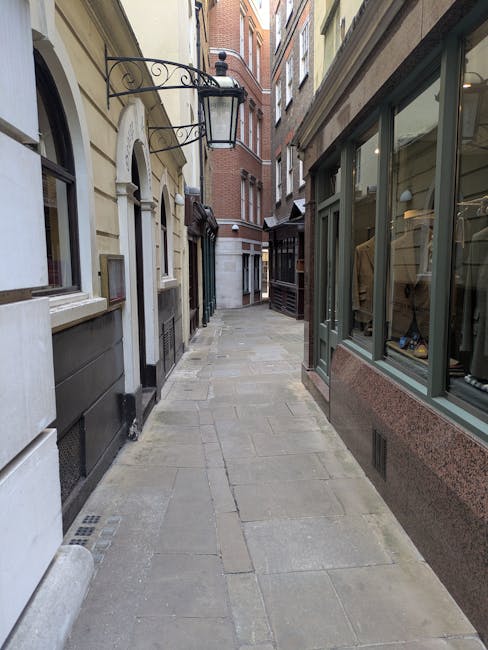
On Roehampton Lane and the surrounding roads, access can be awkward for all sorts of everyday reasons: parked cars, limited turning space, low kerbs, shared entrances, older housing layouts, and the simple fact that not every removal vehicle fits every street. In this guide, we will break down how these solutions work, who needs them, what to watch out for, and how to choose an approach that actually fits the street rather than forcing the street to fit the move. A small distinction, but a very important one.
Whether you are moving home, relocating a small office, clearing furniture, or arranging a specialist access-sensitive pickup, the aim is the same: get items in and out safely without turning the day into a traffic puzzle.
Why Roehampton Lane access removals solutions for narrow streets Matters
Narrow-street removals are one of those jobs that look straightforward from a distance and then become surprisingly fiddly the moment the van arrives. Roehampton Lane access removals solutions for narrow streets matter because access problems can quickly affect timing, safety, and cost. If a vehicle cannot stop close enough to the property, every extra metre matters. Every extra minute matters too.
For residents, the biggest issue is often not the moving itself but the gap between the vehicle and the front door. If you are carrying items over a long distance, especially on a slope, around parked cars, or through a shared hallway, the risk of knocks and delays climbs fast. You may also have to think about pedestrians, neighbours, building entrances, and the limited window of time when loading bays or curb space are available.
From a practical point of view, access planning is what turns a stressful move into a controlled one. That means understanding the street layout before moving day, choosing the right vehicle size, deciding whether a smaller shuttle vehicle is needed, and making sure the crew has a clear route from van to property. Sounds basic, but in real life these basics are what save the day.
Expert summary: The best access solution is usually the one that reduces walking distance, protects the building and the items, and works with the street rather than against it. If the road is tight, clever logistics beat brute force every time.
There is also a neighbourly side to this. Narrow streets can become blocked quickly if a move is not handled well. A calm, tidy approach avoids complaints, keeps the pavement passable, and helps everyone get on with their day. In a place like Roehampton, where residential streets can feel busy even on ordinary mornings, that goodwill matters more than people often admit.
How Roehampton Lane access removals solutions for narrow streets Works
At heart, the process is about matching the move to the access conditions. That sounds obvious, but the details are where the value sits. A proper access-sensitive removal normally begins with a quick review of the street, the building entrance, parking restrictions, and the size and type of items being moved. A narrow street is not just "narrow"; it may be narrow in one section and usable in another, or it may allow a smaller van but not a larger removal truck.
A good operator will look at several things:
- Whether a van can stop legally and safely near the property
- How far items need to be carried
- Whether stairwells, gates, or shared entrances create extra pinch points
- Whether heavy or awkward items need two-person handling or specialist lifting aids
- Whether parking suspensions, permissions, or timed loading arrangements are needed
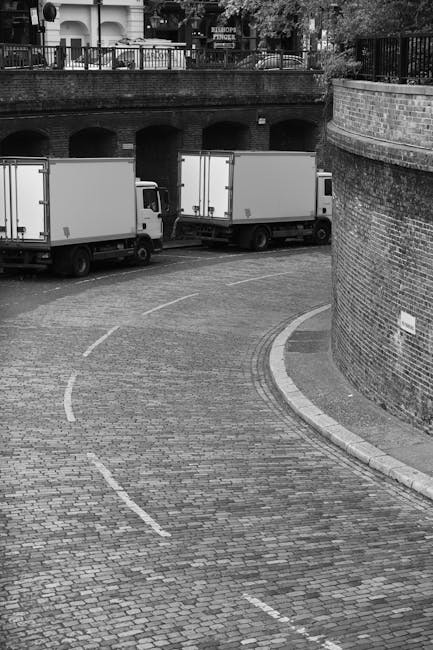
In many cases, the solution is a smaller vehicle, a flexible loading plan, and a crew that can break the job into shorter, safer runs. For larger moves, a main vehicle may park slightly away from the entrance while a smaller shuttle vehicle handles the tight final approach. That reduces congestion and makes the day more predictable. It is not glamorous. It is just sensible.
Some moves also benefit from staged loading. For example, fragile boxes and light items can be moved first while the crew finds the best access point, then heavier items follow once the route is clear. On busy streets, that kind of sequencing can make the difference between a smooth hour and a frustrating afternoon.
If you are moving multiple item types, access planning often links with other services too. A full home move may need home moving support, while businesses with desks, archive boxes, and equipment may prefer office relocation services. If the job is smaller, a more flexible man and van approach can sometimes be a better fit than a large truck. Truth be told, the street usually decides this for you.
Key Benefits and Practical Advantages
There are some very clear benefits to using the right access removals approach on a narrow street, and they are not just about convenience. They affect the whole mood of the move.
- Less walking distance: Fewer trips, lower handling risk, and less fatigue for the team.
- Better protection for belongings: Shorter carries usually mean fewer bumps, drops, and knocks.
- Lower chance of delays: A vehicle that fits the access conditions is less likely to get stuck or need to repark repeatedly.
- Reduced disruption to neighbours: Faster loading and unloading means less obstruction on the street.
- Safer handling: Tight corners, steps, and kerbs are easier to manage when the plan is realistic.
- More predictable costs: Good planning helps avoid time overruns and avoidable call-backs.
There is also a hidden benefit: confidence. People relax when they know there is an actual plan. You notice it straight away. Shoulders drop a little. The stress line around the face softens. That matters, especially if you are moving out of a long-term home or juggling family schedules, parking permits, and work calls all in one morning.
For some households, access planning also creates space to decide whether a few items should be cleared rather than moved. If a narrow entrance makes an old sofa or appliance awkward to shift, it may be more efficient to arrange a furniture pickup or disposal service alongside the move. That kind of decision can save both time and a fair bit of swearing, if we are honest.
Who This Is For and When It Makes Sense
Roehampton Lane access removals solutions for narrow streets make sense for anyone whose property access is limited, but some situations benefit more than others. If you recognise your move in any of the examples below, you are probably in the right territory.
- Residents on narrow residential streets: especially where parking is tight or kerb space is limited.
- Flat moves: where stairwells, shared entrances, and short loading windows are part of the job.
- Homes with large or awkward items: wardrobes, appliances, sofas, pianos, and oversized mattresses can all make access tricky.
- Small businesses: offices, studios, and clinics often need discreet, efficient loading with minimal disruption.
- Landlords and letting agents: end-of-tenancy clearances often need access-aware handling to keep schedules on track.
- People arranging partial clearances: when only certain items need to leave, but the route is still tight.
It also makes sense if the street layout changes during the day. In London, that is more common than you might expect. School run traffic, delivery vans, and neighbours returning home can all change the picture between 8 a.m. and lunchtime. A plan that looks fine at 10 p.m. may be hopeless by 9 a.m. No drama, just reality.
If you are only moving a few items, a smaller vehicle and a careful route may be enough. If you are moving a full property, you may need packing support too. Many people underestimate how much easier the access problem becomes when items are boxed and stacked properly first. That is where packing and unpacking services can quietly earn their keep.
Step-by-Step Guidance
A solid narrow-street removal plan follows a sequence. It does not have to be complicated, but it does need to be thought through. Here is a practical way to approach it.
- Survey the access. Walk the route from property to street. Look for narrow gates, low railings, steps, parked cars, sharp bends, and anything that might snag furniture or slow the crew down.
- Measure the difficult items. Large furniture, appliances, and bulky boxes should be checked against door widths and stair turns. Do not rely on guesswork.
- Pick the right vehicle. A small van, medium van, or larger removal truck each has different strengths. If the street is tight, smaller is often smarter.
- Plan the parking position. Decide where the vehicle can safely stop without blocking driveways, junctions, or pedestrian access.
- Prepare the property. Clear hallways, remove loose rugs, protect corners, and keep the path from door to vehicle as open as possible.
- Organise the load order. Load the easiest items first or the heaviest items first depending on access, weight balance, and route complexity.
- Keep communication simple. One point of contact on the day helps. Too many voices in a tight street can slow everything down.
- Build in a little extra time. Narrow streets rarely reward rushing. Leave some room for the unexpected, because the unexpected will usually turn up anyway.
Here is a small but useful detail: if the street is busy, it can help to move the most awkward items when traffic is calmer, even if that means loading some boxes later. A few minutes' patience can save a lot of backtracking. In the real world, that is often what separates a tidy job from a messy one.
Expert Tips for Better Results
These are the kinds of details that often separate a smooth removal from a frustrating one.
- Use the street, not just the driveway, as part of the plan. The best access point is not always the front door. Sometimes a side entrance or a different parking angle is far better.
- Protect edges before you start. Doorframes, banisters, and low walls are the usual casualties in tight spaces.
- Keep fragile items away from the first load-in rush. The first ten minutes can be the busiest, so give delicate items a safer slot in the sequence.
- Match the item to the handling method. A heavy appliance should not be treated like a box of bedding. Obvious, yes, but it still gets missed.
- Have a fallback plan. What happens if a parked car blocks the only safe stopping point? Decide that before moving day, not during it.
- Label items clearly. Good labelling matters even more when loading has to happen in a hurry and in stages.
A little humour helps too, frankly. The moving day gods seem to enjoy testing people with one last awkward wardrobe or one van that is just a touch too tall. If you expect a small complication or two, you are less likely to be thrown by them when they turn up. And they usually do.
Another practical tip: keep walkways dry and lit if the move starts early or finishes late. A wet step or shadowy hallway is a small issue until someone is carrying a bulky item and misses it. Winter evenings in London can be especially unforgiving here, so a torch, some spare lighting, or simply better timing can make a noticeable difference.
Common Mistakes to Avoid
Narrow-street moves have a few predictable traps. Avoiding them is often easier than fixing them later.
- Booking the wrong size vehicle: Bigger is not always better. If the van cannot stop near the property, the extra capacity may not help at all.
- Ignoring parking restrictions: A vehicle that cannot legally wait or load is going to create headaches quickly.
- Forgetting about the internal route: The street may be fine, but a tight staircase or narrow hallway can still slow everything down.
- Not measuring bulky items: This one causes more trouble than people think. Measure the sofa, the bed frame, the fridge. All of it.
- Leaving clutter in the way: Shoes, bins, prams, plants, and random boxes can become real obstacles when the crew is carrying heavy items.
- Assuming the move will "work itself out": It rarely does. A little planning saves a lot of improvisation.
Another common mistake is overloading the day. If you are arranging disposal, storage runs, handovers, and a full move all in one go, you may be asking too much from a narrow access setup. Sometimes the smarter move is to split the job into smaller phases. Not glamorous, but much kinder on your schedule and your nerves.
Tools, Resources and Recommendations
You do not need specialist engineering kit to manage a narrow-street move, but a few practical tools and resources make life easier.
- Measuring tape: Essential for doors, corridors, stairs, and item sizes.
- Furniture blankets and edge protectors: Helpful for tight corners and narrow hallways.
- Straps and trolleys: Useful for controlled handling, especially with heavier loads.
- Labels and colour markers: Good for identifying items that must stay upright or be unloaded first.
- Access notes or photos: A few clear pictures of the street, entrance, and problem points can be incredibly helpful.
- Parking or access permissions: Where relevant, check what is needed in advance so the day is not disrupted by avoidable admin.
If you are weighing up the broader service options, it can help to compare them against the scale of the move. A smaller job may suit man with van support, while more substantial moves may point you towards moving truck capacity or a dedicated removal truck hire arrangement. For clearance-heavy jobs, specialist pickup pages such as furniture pick up can also be relevant.
If you are clearing out old items as part of the move, keep disposal rules in mind. Some items need separate handling, including appliances and certain waste types. Services such as fridge and appliance removal, mattress and sofa disposal, or hazardous waste disposal may be relevant depending on what is being removed. Not everything belongs in the same pile, and that is probably for the best.
Law, Compliance, Standards, or Best Practice
For narrow-street removals in the UK, the most important thing is to follow lawful, sensible practice rather than trying to wing it. You generally need to think about safe loading, parking restrictions, pedestrian access, and property protection. If a move affects a public highway, footway, or loading space, it is usually wise to check local requirements well in advance.
Best practice typically includes:
- parking legally and avoiding obstruction where possible
- keeping access safe for pedestrians and residents
- using suitable equipment for heavy or awkward items
- protecting flooring, walls, doors, and shared areas
- handling goods in a way that reduces the risk of damage or injury
For removal providers, insurance, safety procedures, and clear communication matter a lot. That is why many customers ask about insurance and safety before they book. It is a sensible question. Nobody wants a quick move that turns into a damage dispute later on.
Where offices or business records are involved, compliance can stretch beyond moving logistics into confidentiality and safe handling. If paperwork or sensitive material is being removed, secure destruction services such as confidential shredding may be worth considering. Likewise, if sustainability is important to you, there are practical ways to reduce waste and reuse items where possible through recycling and sustainability practices.
One more thing: reputable operators should be able to explain their process clearly. If someone cannot tell you how they will handle access, loading, or safety, that is not a great sign. Simple answer? Ask more questions. Then ask one more.
Options, Methods, or Comparison Table
Different access solutions suit different kinds of narrow street. Here is a plain-English comparison to help you think it through.
| Method | Best for | Strengths | Limitations |
|---|---|---|---|
| Small van access | Light to medium moves, tight streets | Easy to park, easier turning, less street obstruction | Lower capacity, may need multiple runs |
| Medium van with careful loading | Moderate home moves | Better balance between capacity and manoeuvrability | May still struggle in very tight lanes |
| Larger removal truck | Bulkier moves where space allows | Higher capacity, fewer trips if access is suitable | Can be awkward on narrow streets and harder to position |
| Shuttle approach | Properties with limited direct access | Flexible, reduces pressure on the main vehicle | More handling steps, may take longer |
| Item-by-item pickup | Single items, clear-outs, disposal | Very flexible, often cost-effective for small jobs | Not ideal for full-house moves |
The right option depends on the street, not the brochure. A smaller van may be the best choice even for a fairly large household if the road is cramped and parking is awkward. On the other hand, a larger truck can be excellent if you have reliable access and enough room to work. It is a judgement call, really.
Case Study or Real-World Example
Picture a typical Roehampton move on a weekday morning. A resident is moving from a first-floor flat on a narrow road just off Roehampton Lane. The street has parked cars on both sides, the staircase is tight at the turn, and the lift is not an option because there is none. The resident has a sofa, a bed frame, several boxes, and one fridge that absolutely refuses to be light.
Instead of sending a large vehicle and hoping for the best, the move is planned around access. The crew arrives in a smaller van, checks the street for the safest stopping point, and protects the doorway before starting. The sofa is moved first, because it is the item most likely to catch on the stair turn. Boxes follow in tidy runs. The fridge is loaded last with extra handling care.
Nothing magical happened. No heroic soundtrack. Just sensible planning, a better vehicle choice, and fewer interruptions from passing traffic. The resident gets through the day without damage to the walls, and the crew does not have to keep shuffling the van to find a better angle. That is what good access removal planning looks like in practice.
There is a nice side effect too: because the job was handled calmly, the neighbour across the road stayed friendly. That may sound small, but on narrow streets it is often the difference between a stressful move and one people later describe as "actually fine".
Practical Checklist
Use this before moving day if your property access is tight.
- Measure the main furniture and appliances
- Check doorway, hallway, and stair widths
- Identify the best legal stopping point for the vehicle
- Look for parked-car pinch points and delivery bottlenecks
- Decide whether a smaller van or shuttle vehicle is needed
- Prepare flooring, corners, and doorframes with protection
- Label fragile, heavy, and priority items clearly
- Confirm any disposal, recycling, or separate pickup needs
- Keep the access route clear of clutter and loose items
- Allow extra time for loading, especially on busy streets
If you can tick off most of that list, you are already ahead of the game. Seriously. A lot of stressful moves go wrong because nobody slowed down long enough to check the basics.
Get a free quote today and see how much you can save.
Conclusion
Roehampton Lane access removals solutions for narrow streets are all about making the move fit the real-world conditions outside your door. That means thinking about street width, parking, vehicle size, item handling, and the flow from property to van. It is practical work, but it is also a bit of a balancing act.
The good news is that tight access does not have to mean a difficult move. With the right planning, the right equipment, and a team that understands how narrow streets behave, you can keep the day calm and controlled. And that is really what people want at the end of it: less chaos, fewer surprises, and a move that simply gets done properly.
Take the time to plan well, ask clear questions, and choose a method that respects the street you are moving on. That little bit of care goes a long way.
Frequently Asked Questions
What are Roehampton Lane access removals solutions for narrow streets?
They are moving and collection methods designed for roads with limited space, restricted parking, or tight turning areas. The aim is to reduce walking distance, improve safety, and make loading or unloading possible without causing disruption.
Do narrow streets always need a smaller van?
Not always, but a smaller vehicle often makes access easier. The best choice depends on the street width, parking conditions, and the size of the items. Sometimes a shuttle setup works better than one large vehicle.
How do I know if my street is too tight for a removal truck?
If the road has parked cars on both sides, limited turning space, or no safe place for a larger vehicle to stop, it may be too tight. A quick on-site check or clear photos usually help make the decision.
What should I measure before booking a narrow-street move?
Measure doors, hallways, stair turns, and the largest items such as sofas, wardrobes, mattresses, and appliances. It is also wise to note any steps, narrow gates, or low walls on the route.
Can removals be done if there is no direct parking outside the property?
Yes, often they can. The team may park further away and use a planned carry route or a smaller shuttle vehicle. The main thing is to allow enough time and keep the route clear.
What happens if parked cars block access on the day?
The crew may need to adjust the stopping point, wait briefly, or use an alternative loading position. That is why it helps to build in flexibility and avoid a schedule that is too tight.
Are there legal issues with loading on narrow streets?
There can be, depending on parking rules, access restrictions, and whether the vehicle would obstruct the highway or pavement. It is sensible to follow local rules and avoid blocking pedestrians or emergency access.
Should I book packing services for a narrow-street removal?
It can help. Well-packed boxes are easier to carry, stack, and move through tight spaces. If your access is awkward, packing support can reduce both handling time and stress.
Can furniture be removed from a flat with tight stairs?
Usually yes, but the items may need to be assessed first. Large furniture sometimes has to be dismantled, tilted carefully, or carried with protective equipment to get through the staircase safely.
What if I need to dispose of items as well as move them?
You can often combine the move with pickup or disposal services, depending on the items. Appliances, mattresses, sofas, and certain waste types may need separate handling, so it is best to check in advance.
How far in advance should I plan a move on a narrow street?
The earlier the better, especially if parking or access needs extra thought. Even a short lead time helps with measurements, vehicle choice, and avoiding last-minute surprises.
What is the biggest mistake people make with narrow-street removals?
They assume a standard van and standard timing will work without checking the access properly. In truth, the street itself often decides the method, and the best moves are planned around that reality.
If you want the move handled with less stress and more common sense, choose the approach that suits the street first and the schedule second. That is the quiet little trick, really. It tends to work.